
- All
- Product Name
- Product Keyword
- Product Model
- Product Summary
- Product Description
- Multi Field Search
Views: 0 Author: Site Editor Publish Time: 2026-05-08 Origin: Site


Painting your fiberglass boat gives you more than just a fresh look. You want a finish that stands up to sun, salt, and rough weather. Modern marine coatings use UV stabilizers to protect against yellowing and fading. These advanced formulas keep your boat looking sharp and help the paint last for years, even in harsh marine environments.
Use marine-grade paint and primer. This makes your boat last longer in the sun and saltwater. It helps your boat look good and stay strong in tough weather.
Clean and sand the fiberglass surface well before you paint. Getting the surface ready helps the paint stick better. It also makes the finish look smoother.
Mask the areas you do not want to paint. This stops paint from spreading where you do not want it. It also gives your boat neat lines and a nice look.
Put on many thin coats of primer and paint. Thin coats dry faster. They also make the finish stronger and last longer than one thick coat.
Clean and wax your boat often to keep the paint looking good. Taking care of your boat helps the paint job last for years.

You want your boat to look great and last for years, so you need the right materials before you start painting. Grab these supplies to make your project easier and more successful:
Marine-grade paint for tough weather and water conditions
Marine primer that sticks well to fiberglass surfaces
Sandpaper in different grits (start with coarse, finish with fine)
Brushes and rollers for smooth application
Masking tape to protect areas you don’t want to paint
Cleaning agents to remove dirt, grease, and salt
Mixing sticks and paint trays for easy handling
Rags or towels for wiping and cleanup
Tip: Choose marine-grade products. They resist fading, peeling, and corrosion, so your boat stays sharp and strong.
Painting a fiberglass boat means you need to protect yourself and your workspace. Safety comes first, so make sure you have the right gear and setup:
Respirator mask to avoid breathing in paint fumes
Safety goggles to shield your eyes from splashes
Gloves to keep your hands safe from chemicals
Coveralls or old clothes to protect your skin
Ear protection if you use power sanders
You also want a workspace that keeps you safe and helps your paint job turn out well. Here’s what you should do:
Work in a clean, well-lit, and well-ventilated area
Avoid painting outdoors where wind and dust can ruin your finish
Set up plastic sheeting or a temporary booth to contain overspray and keep dust off wet paint
Never spray paint on the water unless you use protective sheeting
Note: Always follow marine industry standards. Use proper ventilation and filter systems if you spray paint. This keeps you safe and helps your boat look its best.
Now you’re ready to prep your boat and start painting with confidence!
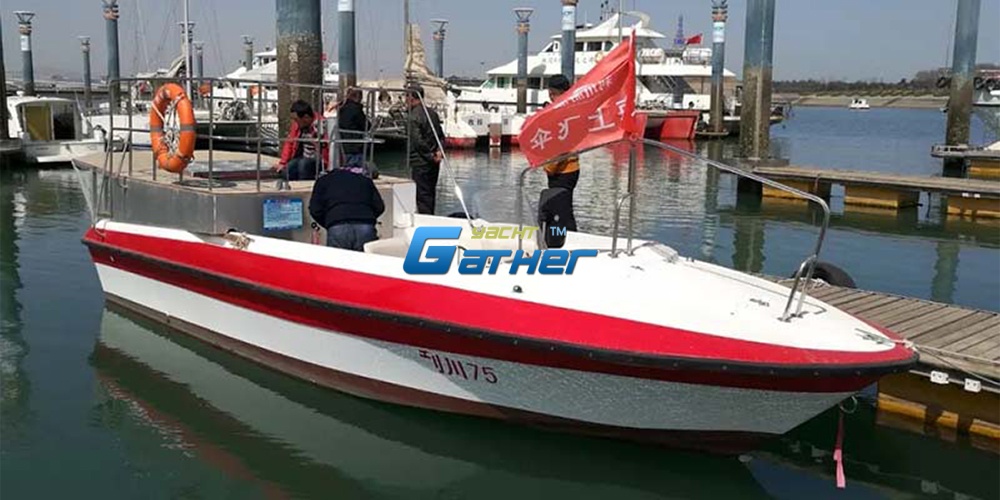
You want your paint to last a long time. First, you must clean your boat very well. If you skip cleaning, dirt and grease can ruin your paint. Rinse the fiberglass boat with fresh water. Use a pH-balanced boat soap to wash off dirt and salt. This kind of soap is gentle on the gelcoat and keeps it smooth.
If you see black streaks or scum, use a special cleaner. Black streak removers have chelating agents that break down stains. Hull cleaners with oxalic acid work for waterline scum and rust drips. Always wear gloves and goggles when using these products. Heavy-duty cleaners help with tough stains like diesel exhaust or light oxidation. When you finish, rinse the boat again and let it dry.
Here’s a quick guide to picking the right cleaner:
Stain Type | Recommended Cleaner Type | Key Ingredient to Look For | Application Caution |
|---|---|---|---|
General Dirt, Salt | All-Purpose Boat Soap | pH-neutral surfactants | Safe for regular use on all surfaces. |
Black Streaks | Black Streak Remover | Chelating agents, specialty surfactants | Test on a small, inconspicuous area first. |
Waterline Scum | Hull Cleaner | Oxalic Acid, Hydrochloric Acid | Wear gloves/goggles; avoid contact with galvanized trailers. |
Rust Drips | Rust Stain Remover | Oxalic Acid, Phosphoric Acid | Apply directly to the stain; don't let it dry on the surface. |
Heavy Oxidation | Heavy-Duty Cleaner | Mild abrasives, chemical cleaners | Follow up with a polish and wax to protect the restored surface. |
Tip: Products like Boat Juice Exterior make cleaning simple. They help your fiberglass boat look good and ready for paint.
After cleaning, you need to sand the boat. Sanding helps the paint stick better. It removes old finishes and makes the surface rough enough for new paint. Start with coarse grit, like 80 or 100, to get rid of rough spots or old coatings. Then use finer grit, like 220 or higher, to smooth the surface for primer.
Here’s a table to help you choose sandpaper:
Grit Size | Application | Result |
|---|---|---|
80-100 | Rough prep | Removes old finishes |
220+ | Fine finish | Creates ideal adhesion surface |
Sand in a circle to avoid scratches and keep the fiberglass smooth. Always wipe away dust with a clean rag before the next step.
Note: Take your time and sand every spot. Careful sanding makes painting easier and gives a pro finish.
Before painting, check the boat for damage. Look for blisters, cracks, or other problems. If you see blisters, remove the bad area, dry it, fill with epoxy, sand it smooth, and put on gel coat. Delamination means the fiberglass layers are coming apart. You need to check and fix these layers to keep your boat strong.
Here’s a table showing common damage and how to fix it:
Type of Damage | Description | Typical Repair |
|---|---|---|
Blisters | Small cracks and bumps on the surface due to water penetration. | Remove affected area, dry, apply epoxy filler, sand, and reapply gel coat. |
Delamination | Separation of fiberglass layers affecting structural integrity. | Requires inspection and potential repair of the affected layers. |
Fatigue | Weakening of structure due to repetitive stress and flexing. | Inspect for cracks, use repair kits for small issues, professional help for extensive damage. |
Stringer Damage | Damage to support structure leading to hull issues. | Replace affected parts and seal any cracks to prevent water ingress. |
Warping | Misshaping of hull or deck due to prolonged heat exposure. | Reshape or replace warped sections with new fiberglass material. |
For cracks and small flaws, use fiberglass mesh tape to make repairs stronger. Joint compound fills the crack and makes the surface smooth. Sand the repaired area so it matches the rest of the boat.
Callout: If you find big damage, ask a pro for help. Small repairs are easy, but big ones need an expert.
Now you are ready for the next step. You have cleaned, sanded, and fixed every problem. Your fiberglass boat is ready for a paint job that will last.
Before you start painting, you need to protect the parts of your boat that you do not want to paint. Careful masking helps you get sharp lines and a professional look. It also keeps paint from getting on windows, rails, or hardware.
You want your paint job to look clean and sharp. Good taping makes a big difference. Here’s how you can tape off sections like a pro:
Use high-quality masking tape made for marine projects. This tape sticks well but comes off clean.
Keep the tape roll a couple of feet away from the spot you are taping. This helps you control the tape and avoid wrinkles.
Make small, slow adjustments as you go. Do not rush.
Slide your finger along the tape edge to press it down. This stops paint from bleeding under the tape.
Always check that the tape follows the lines you want to paint. If you see a wrinkle or gap, fix it right away.
Tip: Take your time with taping. Careful work now means less cleanup later.
Proper masking does more than just keep things neat. It gives you:
Clean lines with no paint bleeding into other areas.
No sticky residue or ragged edges when you remove the tape.
A final paint job that looks smooth and professional.
You also need to protect hardware like cleats, rails, and vents. You can use plastic bags, aluminum foil, or special covers. Wrap each piece tightly and secure it with tape. Make sure every edge is sealed so paint cannot sneak in.
If you have removable hardware, take it off before you paint. This makes your job easier and gives you a better finish. Put all screws and small parts in a safe place so you do not lose them.
Note: Double-check every area before you start painting. A quick look now saves you time and trouble later.
Masking and protecting areas is a key step. You want your boat to look its best when you finish. Careful prep now means you get a paint job you can be proud of.
When you paint a fiberglass boat, you want it to last. The right marine paint is very important. You need paint that sticks to fiberglass and can handle tough weather. Think about what your boat faces:
Your boat deals with saltwater, sun, and changing weather. Pick paint that can handle these things.
If you use your boat where it is very sunny, get paint with strong UV protection. This keeps the color bright and stops fading.
Saltwater can cause rust. Use paint that protects against corrosion to keep your hull safe.
Different surfaces need different paints. Fiberglass needs marine-grade paint for smooth surfaces.
Antifouling paint stops sea creatures from growing on your hull. Use this paint below the waterline.
Topside paint makes your boat look good above the waterline.
Bottom paint protects the hull from rust and sea growth under the water.
Tip: Always read the label. Make sure the paint is for fiberglass. This helps stop peeling and flaking.
Primer helps your paint job last longer. You need a primer that sticks to fiberglass and helps paint stay on. The right primer keeps the finish smooth and stops problems later.
Here’s a table to help you pick the best primer:
Primer Type | Benefits | Best Use Case |
|---|---|---|
Epoxy | Sticks well, keeps out water, stops blisters | Marine applications |
Urethane | Flexible, blocks UV, handles hot and cold | Projects that need a perfect look |
Acrylic | Good for inside parts with little sun or water | Interior fiberglass components |
Self-etching | Makes smooth surfaces rougher so paint sticks better | Hard-to-paint fiberglass |
Two-component | Very strong, resists chemicals | Tough environments |
Your primer must work with your paint. This helps the paint stick and last longer. Always check the instructions for how long to wait between coats and how to prepare the surface. The right primer stops peeling and flaking, so your paint job stays strong.
Note: If you want your fiberglass boat to look good and last, take time to choose the right paint and primer. Good choices now mean less work later.
You have finished all the prep work. Now it is time to apply primer to your fiberglass boat. Primer helps the paint stick and gives you a smooth finish. Start by stirring the primer well. Use a foam roller for large areas and a brush for corners or tight spots. Always apply primer in thin, even coats. Thick layers can cause drips and take longer to dry.
Here is a simple step-by-step guide:
Stir the primer until it looks smooth.
Use a foam roller for flat surfaces. Switch to a brush for edges and details.
Apply the first thin coat. Let it dry for 1-2 hours.
Add a second thin coat for better coverage and durability.
Wait 24 hours before you sand the boat or add paint.
Tip: Always follow the instructions on your primer can. Some brands may need more or less drying time.
Most people use two thin coats of primer. This gives you the best results and helps your paint last longer. If you see any rough spots after the primer dries, sand them lightly with fine-grit sandpaper. Wipe away dust before you move on.
Now you are ready to paint a fiberglass boat. The right technique makes a big difference in how your boat looks. You can use a brush or a roller. Each method has its own strengths.
Here is a quick comparison:
Application Method | Finish Quality | Coverage | Recommendations |
|---|---|---|---|
Brush | Good, but may leave marks | Moderate | Best for detailed work, especially with high-quality brushes |
Roller | Smooth finish when tipped | High | Recommended for topcoats, foam rollers preferred for primers |
If you want a smooth finish, use a roller for large areas. After rolling, lightly drag a clean brush over the wet paint. This is called "tipping." It removes bubbles and lines. For small or tricky spots, use a brush. High-quality brushes help you avoid streaks.
Here is how you can paint your boat:
Stir the paint well. Pour it into a tray.
Roll on a thin, even coat. Work in small sections.
Use the tipping method for a smooth look.
Let the first coat dry. Most paints need 1-2 hours between coats.
Apply a second thin coat for extra protection and color depth.
Callout: For the best results, always apply at least two thin topcoat layers. Thin coats dry faster and last longer than one thick coat.
Painting the boat takes patience. Do not rush. Let each coat dry before you add another. This helps you get a strong, even finish.
After painting a fiberglass boat, you need to let the paint dry and cure. Drying means the paint feels dry to the touch. Curing means the paint has reached full strength. Both steps are important for a tough, long-lasting finish.
Several things can affect drying and curing times. Check out this table:
Environmental Factor | Effect on Drying and Curing Times |
|---|---|
Temperature | Low temperatures slow drying. High temperatures speed it up but can make paint harder to apply. |
Humidity | High humidity slows drying because the air holds more moisture. |
Dew Point | If the surface is colder than the dew point, water can form and ruin the paint. |
You want to paint in a place with mild temperatures and low humidity. Avoid painting early in the morning or late at night when dew can form. Always check the weather before you start.
Here are some tips for drying and curing:
Let each coat dry for 1-2 hours before adding the next.
Wait at least 24 hours after the final coat before you use or sand the boat.
For the strongest finish, let the paint cure for several days before heavy use.
Note: The prep job is the most important part of painting a fiberglass boat. Always follow the manufacturer’s instructions for drying and curing times.
When you take your time and use the right steps, you get a finish that looks great and lasts for years. Painting a fiberglass boat is a big job, but you can do it with patience and care.
After your last coat dries, take a close look at your boat. Walk around it in good light. Check for any missed spots, drips, or uneven color. Run your hand over the surface. It should feel smooth and even. If you spot a rough patch or a bubble, you can lightly sand and touch up that area. Look at the hardware and fittings, too. Make sure the paint did not cover anything it should not.
You also want to check for signs that your marine paint is doing its job. Good marine paint protects against corrosion, especially around metal parts like cleats and rails. If you see no rust or pitting, your finish is working well.
Now that your fiberglass boat looks great, you want to keep it that way. Waxing is a key step. After polishing, apply a high-quality marine wax or sealant. This creates a shield against UV rays. That extra layer helps prevent fading and keeps your paint looking fresh. Wax also makes it easier to wash off salt and dirt.
Here’s a simple waxing routine:
Wait until the paint cures fully.
Use a soft cloth or applicator pad.
Apply wax in small sections.
Buff with a clean towel for a shiny finish.
A good wax job can make your boat shine and protect it from the sun and water.
You want your paint job to last as long as possible. With the right care, a professionally painted fiberglass boat can look great for three to five years before you need to repaint. You can stretch this even longer with regular cleaning and quick touch-ups.
Try these tips:
Rinse your boat with fresh water after every trip.
Use a gentle boat soap, not harsh cleaners.
Dry the surface to stop water spots.
Check for chips or scratches and fix them right away.
Store your boat under cover or use a UV-resistant cover.
If you keep up with these steps, your boat will stay bright and protected for years.
You can get a pro finish that lasts by following the right steps for painting your boat. Here’s a quick look at what matters most:
Aspect | Why It Matters |
|---|---|
Surface Preparation | Makes paint stick and look smooth |
Quality Marine Paint | Fights UV rays and saltwater |
Layering Technique | Stops drips and helps paint last longer |
Keep up with regular cleaning and waxing. This simple care can help your boat’s gelcoat last up to 20 years. When you use the right products and take your time, you’ll enjoy a boat that looks sharp season after season.
You should repaint your boat every 3 to 5 years. If you notice fading, chalking, or peeling, it’s time for a new coat. Regular cleaning and waxing help your paint last longer.
Yes, you can paint over old paint if it’s in good shape. Sand the surface well and clean it first. Remove any loose or flaking paint for the best results.
Marine-grade polyurethane or epoxy paints work best. These paints resist UV rays, salt, and water. Always check the label to make sure the paint is safe for fiberglass surfaces.
Yes, you need a primer. Primer helps the paint stick and keeps the finish smooth. It also protects the fiberglass from moisture and damage.


