
- All
- Product Name
- Product Keyword
- Product Model
- Product Summary
- Product Description
- Multi Field Search
Views: 0 Author: Site Editor Publish Time: 2026-07-14 Origin: Site


While the panga boat is globally recognized for its utilitarian durability, shallow draft, and rugged construction, the assumption that it requires zero upkeep is a costly misconception. Many owners believe the heavy-duty fiberglass hull and simple layout mean they can park the vessel wet and walk away. Neglecting routine care on a fiberglass boat and its outboard system accelerates gel coat oxidation, mechanical failure, and structural fatigue. For prospective buyers and current owners, unpredictable maintenance demands and unexpected downtime are primary risks. Establishing a strict, evidence-based daily care and seasonal maintenance protocol mitigates these risks. This guide breaks down the exact maintenance requirements, structural inspection frameworks, and preventative routines necessary to protect your investment and ensure operational reliability on the water.
Daily preventative care is non-negotiable: Immediate post-trip engine flushing, salt/debris removal, and livewell washdowns are the most cost-effective methods for extending the lifespan of a panga boat.
Fiberglass requires proactive UV and stain management: Unprotected gel coats will oxidize rapidly; quarterly waxing, targeted mildew prevention on vinyl seats, and prompt removal of fish blood/organic waste are required to maintain hull integrity and resale value.
Simplicity dictates upkeep: The baseline maintenance for a standard panga is low, but adding complex electrical packages, customized T-tops, and aftermarket baitwells exponentially increases the required upkeep.
Pre-purchase inspections rely on maintenance history: When evaluating panga boats for sale, documented adherence to seasonal outboard servicing, hull inspections, and proper storage practices is the primary indicator of vessel health.
Defining what constitutes a well-maintained vessel requires looking beyond a shiny exterior. Success means zero preventable mechanical failures, no structural water intrusion, and sustained gel coat integrity over a 10-plus year lifecycle. Achieving this standard requires understanding the specific demands of the hull design. You cannot treat a marine vessel like a standard vehicle. The constant exposure to saltwater, UV radiation, and heavy impacts demands a proactive approach.
The high-bow, narrow-beam architecture of a panga exposes specific areas to heavy spray and direct UV light. The sharp entry cuts through chop, but it also means the forward sections take the brunt of environmental wear. Owners must pay close attention to the bow gel coat and hardware. Water constantly sheets off the forward sections, leaving behind salt crystals that act like tiny magnifying glasses for the sun's rays. This accelerates oxidation if the wax layer is thin or non-existent.
Furthermore, the realities of rolled-edge versus liner hulls dictate different cleaning, drainage, and structural inspection requirements. Rolled-edge hulls often have exposed interior fiberglass that requires thorough scrubbing to prevent dirt accumulation. Dirt and fish blood easily trap themselves in the rougher texture of a rolled edge. Liner hulls offer a cleaner finish but demand careful inspection of the deck joints and scupper drains to ensure water flows out efficiently. If the caulking around a liner joint fails, water seeps into the bilge, potentially saturating the foam flotation over time.
A bare-bones utility vessel requires significantly less upkeep than a highly optioned recreational build featuring aftermarket options like T-tops, customized seating, and marine electronics. Expected annual maintenance covers fluids, filters, marine waxes, and sacrificial anodes. Complex electrical systems and extra plumbing introduce more potential failure points. Every additional pump, switch, and wire run is another item that saltwater will eventually try to destroy.
Consider the difference between a tiller-steered open skiff and a center console with a full electronics suite. The tiller skiff needs engine maintenance and hull cleaning. The center console needs battery load testing, wiring harness inspections, steering fluid checks, and switch panel corrosion mitigation. You must match your willingness to perform maintenance with the complexity of the boat you purchase.
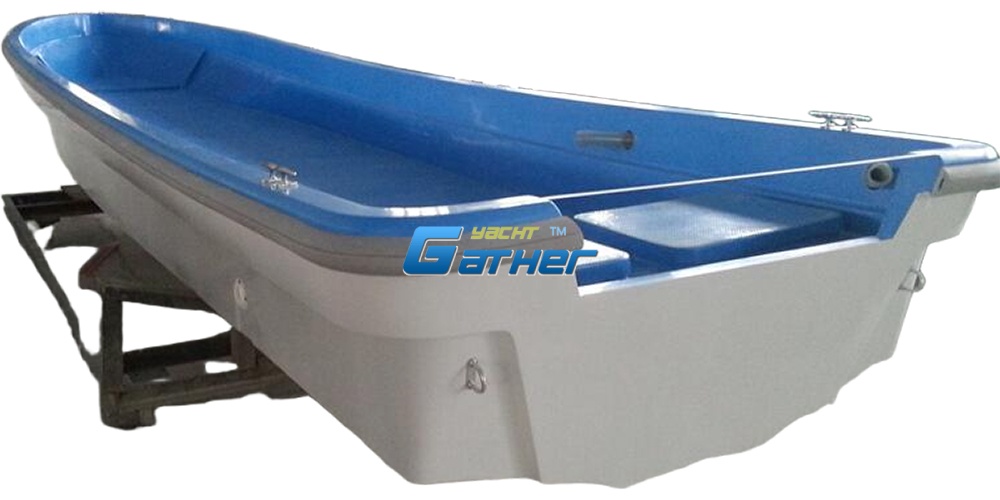
Establishing a repeatable, 20-minute post-trip workflow halts corrosive and organic decay processes immediately. This routine is the foundation of long-term vessel preservation. Do not wait until the next morning. Salt begins its destructive work the moment the water evaporates.
Freshwater flushing is mandatory after every saltwater trip. Connect a hose to the flush port or use muffs, and run the engine until it reaches operating temperature. This ensures the thermostat opens, allowing fresh water to circulate through the entire cooling block. If you only run the engine for two minutes, the thermostat stays closed, and salt remains trapped in the upper water jackets. This leads to calcification and eventual overheating.
External washdown protocols for the outboard cowling, lower unit, and propeller shaft are equally critical. Spray down the exterior to remove salt deposits that can corrode metal components and degrade the paint. Pay special attention to the steering tube and tilt/trim rams. Salt left on the trim rams will tear the hydraulic seals the next time you lower the engine.
Connect the freshwater hose to the engine flush port or install dual-feed muffs over the water intakes.
Turn on the water supply fully before starting the engine.
Start the outboard and verify a strong stream from the tell-tale hole.
Run the engine at idle for a minimum of 10 to 15 minutes to ensure the thermostat opens.
Turn off the engine, then turn off the water supply.
Spray the entire exterior of the outboard with a salt-dissolving wash.
Selecting the correct pH-neutral marine soaps prevents stripping the protective wax from the hull. Harsh detergents will leave the fiberglass vulnerable to UV damage. Dish soap is a common mistake; it strips wax immediately. When cleaning non-skid decks, use a medium-bristle brush to lift dirt without degrading the abrasive texture. Scrub in a circular motion to lift debris out of the diamond or sand-textured patterns.
Cleaning and protecting marine-grade vinyl seats requires specific detailing secrets to eliminate mold, mildew, and stubborn stains without degrading the material stitching. Use dedicated vinyl cleaners and apply a UV protectant to keep the material supple. Never use bleach on vinyl seating. Bleach rots the cotton or synthetic threads holding the cushions together, leading to split seams within a single season.
Immediate blood and fish slime removal protocols prevent permanent gel coat staining. Keep a bucket and brush handy during the trip. Wash blood off the deck before it bakes in the sun. Flushing and sanitizing integrated livewells, baitwells, and raw-water washdown pumps avoids plumbing blockages and organic odor build-up. Run fresh water through the pumps and leave the hatches open to dry. A closed, damp livewell will grow black mold in less than 48 hours.
Ensure self-bailing scuppers are entirely free of debris like leaves, fishing line, and scales. Blocked scuppers can lead to dangerous water accumulation on deck. Inspect the bilge for standing water or fuel/oil sheen, and confirm the automatic float switch functions correctly by lifting it manually. A stuck float switch is the number one cause of boats sinking at the dock after a heavy rainstorm.
Mapping specific preventative tasks to the avoidance of catastrophic failures keeps the vessel reliable year-round. You must track these intervals meticulously. Relying on memory leads to skipped services and blown powerheads.
Adhere to 100-hour or annual service requirements, which include changing engine oil, gear lube, oil filters, and fuel/water separators. Inspecting and replacing water pump impellers prevents overheating, a leading cause of major engine damage. Check and grease steering cables, tilt/trim tubes, and pivot points to maintain smooth operation. Use marine-grade grease that will not wash out in saltwater.
| Maintenance Task | Frequency | Critical Outcome |
|---|---|---|
| Engine Oil & Filter Change | 100 Hours / Annually | Prevents internal friction and powerhead failure. |
| Lower Unit Gear Lube Change | 100 Hours / Annually | Removes metal shavings and checks for water intrusion (milky oil). |
| Water Pump Impeller Replacement | 100 - 300 Hours / 1-3 Years | Ensures adequate cooling water flow to prevent overheating. |
| Fuel/Water Separator Replacement | 50 - 100 Hours | Stops water and phase-separated ethanol from reaching injectors. |
| Grease Pivot Points & Steering | 50 Hours / Bi-Annually | Maintains smooth steering and prevents seized tilt tubes. |
Perform a systematic visual inspection for deep scratches, gouges, or compromised fiberglass exposing the laminate. Address these issues promptly to prevent water intrusion. Check the integrity of the rub rail insert and fasteners, re-sealing areas where water could bypass the hull-to-deck joint. A loose rub rail often indicates backed-out screws. Remove the screw, inject marine sealant into the hole, and drive a slightly larger screw in to secure the joint.
Inspect anodized aluminum or stainless steel T-top structures for pitting and structural welds for hairline cracks. Wash the metal with mild soap and apply a protective metal wax. Clean and waterproof canvas tops, biminis, and storage covers to extend their lifespan and prevent mold. Reapply a waterproofing spray to canvas every season to maintain its water-repellent properties.
Clean battery terminals, apply dielectric grease, and load-test marine batteries seasonally. Inspect wiring harnesses for chafing or corrosion at crimp points. Ensure all accessory switches and bilge pumps remain watertight and operational. A green, corroded wire will cause voltage drops, leading to erratic electronics behavior or a failure to start the engine.
Addressing the long-term environmental degradation that occurs even with perfect daily care is essential for maintaining the value of a 23ft Fiberglass Panga Boat Lake Cruising setup or an offshore rig. The elements are relentless. You must build a barrier between your boat and the environment.
The framework for compounding, polishing, and waxing oxidized hulls involves removing years of chalky oxidation and yellowing. Start with a heavy compound if the oxidation is severe, follow with a polish to restore shine, and finish with a high-quality wax. Evaluating ceramic coatings versus traditional carnauba or polymer marine waxes reveals that ceramic offers superior, long-lasting UV resistance, though it requires meticulous application. Ceramic coatings bond at a molecular level, providing a harder shell against salt and sun, but the surface must be absolutely flawless before application.
Differentiating between cosmetic gel coat crazing, often called spider cracks, and structural fiberglass failure is vital. Spider cracks usually result from minor flexing and are largely cosmetic. DIY restoration protocols for repairing minor gel coat chips and scratches involve grinding out the damage, filling it with color-matched gel coat paste, and sanding it flush before water intrusion leads to laminate delamination. If you see a crack radiating from a cleat or stanchion, remove the hardware, over-drill the hole, fill it with thickened epoxy, and re-drill. This prevents water from rotting the core material.
Fuel stabilization, water system draining, and fogging the engine are mandatory for long-term storage. Proper blocking and support on the trailer prevent hull hooking, warping, or structural deformation. Ensure the bunks or rollers align with the hull stringers. Implement ventilation strategies under boat covers to prevent severe mold infestations in humid climates. Shrink-wrapping is excellent for winter storage, but you must install active or passive vents to allow moisture to escape.
Add a high-quality marine fuel stabilizer to the gas tank and run the engine for 15 minutes to distribute it through the fuel lines.
Fog the engine cylinders with a specialized fogging oil to prevent internal rust during storage.
Drain all raw water washdowns, livewells, and freshwater tanks. Run RV antifreeze through the pumps.
Remove the drain plug and elevate the bow of the trailer to ensure complete drainage.
Remove all marine batteries, clean the terminals, and store them indoors on a trickle charger.
Maintenance history and customization packages heavily impact the acquisition phase of the buyer's journey. Knowing what to look for prevents buying a compromised vessel. A cheap boat with deferred maintenance is always more expensive than a well-maintained vessel priced at a premium.
Identifying soft spots in the deck, waterlogged transoms, and poorly executed fiberglass repairs separates project boats from turnkey vessels. Tap the transom and deck with a phenolic hammer; a dull thud indicates moisture or delamination. A sharp, crisp tap means the core is solid. Signs of chronic neglect include heavy gel coat oxidation, corroded wiring blocks, and calcified outboard components. When evaluating aftermarket modifications, safely identify substandard owner-installed wiring, improper accessory mounting, and compromised structural integrity. Look under the console. If you see a rat's nest of un-fused wires held together with electrical tape, walk away.
Assess the maintenance backlog on a used vessel to calculate the true acquisition cost. Replacing steering systems, rewiring the console, or performing a major engine service adds thousands to the final price. A well-documented maintenance log justifies a premium price on the secondary market when browsing 23FT Panga Boat for Sale listings. Ask the seller for receipts. If they claim they did the work themselves, ask them specific questions about the oil weight used or the impeller replacement process to gauge their actual competence.
Contrasting the maintenance realities of freshwater use versus harsh saltwater environments highlights different priorities. Freshwater use involves managing algae buildup, zebra mussels, and trailering wear. Saltwater environments demand constant vigilance against galvanic corrosion, sacrificial anode depletion, and salt crystal expansion in tight crevices. A boat used exclusively in freshwater will generally have cleaner wiring and less exterior corrosion, but you still must check for hull blisters if it was left in the water year-round.
When inspecting a boat used for lake cruising, pay close attention to the trailer. Freshwater ramps can be steep and poorly maintained, leading to axle and bunk damage. Check the trailer bearings and winch strap. For offshore boats, inspect the stainless steel hardware for rust weeping, which indicates low-grade stainless or crevice corrosion.
Ultimately, the condition of the bilge tells the true story of any boat. A clean, dry bilge with neatly routed hoses and wires indicates an owner who cared about the vessel. A bilge full of oily water, debris, and corroded pumps is a massive red flag. Take your time during the inspection. Bring a flashlight and a mirror to look into blind spots. Your diligence here will save you massive headaches later.
Do not ignore the steering system during your evaluation. Hydraulic steering should be smooth and responsive, with no leaks at the helm pump or the engine cylinder. Cable steering should move freely without binding. Stiff cable steering usually means the cable is rusting internally and requires complete replacement. Test all electronics, run the trim tabs through their full range of motion, and verify the navigation lights work. Small electrical gremlins often point to larger systemic wiring issues.
Finally, consider the age and hours on the outboard motor. While modern four-stroke outboards can easily exceed 2000 hours with proper maintenance, an engine with 500 hours that has never seen a wrench is a ticking time bomb. Request a computer diagnostic printout from a certified mechanic. This report will show the exact hours, the RPM profile of how the engine was run, and any historical fault codes. This data is invaluable when negotiating the final purchase price.
By understanding these maintenance realities, you position yourself to make an informed decision. You will know exactly what it takes to keep the vessel operational and safe. A panga is a fantastic platform, but it still requires a dedicated owner to reach its full potential.
The structural simplicity of the panga makes it easier to inspect than complex cabin cruisers. You have direct access to most of the hull interior. Use this to your advantage. Look at the stringer attachments. Check the transom knees if the boat has them. Ensure the hull-to-deck joint is secure and not showing signs of separation. A thorough inspection takes time, but it is the only way to guarantee you are buying a solid platform.
Remember that fiberglass is durable, but it is not invincible. It flexes under load. Over time, this flexing can cause fatigue if the boat is run hard in rough seas. Look for stress cracks around the console mounting points and the leaning post. Minor cracks are normal, but deep, wide cracks indicate excessive movement and potential structural weakness.
Your goal is to find a hull that has been respected. A respected hull will serve you well for decades. A neglected hull will drain your bank account. Choose wisely, inspect thoroughly, and commit to the maintenance schedule once you take ownership.
The marine environment is unforgiving. It actively tries to dismantle everything you put into it. Your maintenance routine is your only defense. Stick to the schedule, use quality materials, and address small problems before they become major failures. This is the reality of boat ownership. Embrace it, and you will enjoy countless reliable hours on the water.
Whether you are running shallow flats or heading offshore, your panga relies on you to keep it in top condition. The work you put in at the dock directly translates to safety and performance on the water. Do not cut corners. Do not skip services. Your life and the lives of your passengers depend on the reliability of your vessel.
Take pride in your maintenance. A clean, well-running boat is a reflection of its owner. It shows a commitment to the craft and a respect for the ocean. Keep your tools organized, keep your supplies stocked, and make maintenance a regular part of your boating routine.
The effort is worth it. There is nothing quite like the feeling of a perfectly tuned outboard pushing a clean hull through the water. It is a testament to your hard work and dedication. Keep up the maintenance, and your panga will reward you with years of dependable service.
Always keep a logbook. Write down every oil change, every filter replacement, and every repair. This logbook is your proof of maintenance. It will increase the resale value of your boat and give you peace of mind knowing exactly when the next service is due. Do not rely on memory. Write it down.
Stay proactive. If you hear a strange noise, investigate it. If you see a leak, fix it. Do not wait for things to break. Preventative maintenance is always cheaper and easier than emergency repairs. Be observant, be diligent, and your boat will take care of you.
The panga design has proven itself all over the world. It is a workhorse. But even a workhorse needs to be fed and cared for. Give your panga the attention it deserves, and it will never let you down. It is a partnership between you and the machine. Do your part, and the machine will do its part.
Enjoy the process. Maintenance does not have to be a chore. It is an opportunity to learn about your boat and ensure it is ready for the next adventure. Put on some music, grab your tools, and take care of your vessel. It is part of the boating lifestyle.
The water is waiting. Make sure your boat is ready. Follow the guidelines in this article, and you will have a reliable, safe, and beautiful panga for years to come. See you out there.
A panga boat offers an incredibly low maintenance-to-utility ratio in the marine industry, provided owners adhere to strict daily washdowns, seasonal servicing schedules, and immediate gel coat care. Buyers should prioritize vessels where the complexity of the onboard systems matches their willingness to perform routine maintenance. Simpler builds yield higher reliability.
Establish a strict 20-minute post-trip washdown and engine flushing routine.
Perform a thorough visual inspection of the hull, rub rails, and scuppers monthly.
Adhere strictly to the 100-hour or annual outboard service intervals.
Maintain a detailed log of all maintenance and repairs to preserve resale value.
A: You should wax your hull at least three to four times a year. Frequent use in harsh saltwater environments or high UV exposure areas may require more frequent applications to prevent gel coat oxidation.
A: Use a medium-bristle deck brush and a pH-neutral marine soap. Avoid harsh bleach-based cleaners, which can degrade the fiberglass and strip protective waxes. Rinse thoroughly with fresh water.
A: Use a dedicated marine vinyl cleaner and a soft brush. For stubborn mold, use a specialized mildew stain remover, but avoid heavy bleach solutions that deteriorate the stitching. Always follow up with a UV protectant.
A: Prevent spider cracks by avoiding heavy impacts and ensuring the boat is properly supported on its trailer. Repair minor cracks by grinding out the damaged area with a rotary tool, filling it with color-matched gel coat paste, and sanding it smooth.
A: Flush livewell plumbing with fresh water after every use to prevent clogs and odors. Inspect T-top metal for pitting, wash with mild soap, and apply a protective metal wax to prevent corrosion.
A: While freshwater does not leave corrosive salt deposits, flushing the engine is still recommended to clear out silt, sand, or algae that can accumulate in the cooling system and cause blockages.
A: Request logs detailing the 100-hour or annual outboard services, impeller replacements, lower unit oil changes, and any major structural or electrical repairs. Consistent records indicate a responsible owner.


