
- All
- Product Name
- Product Keyword
- Product Model
- Product Summary
- Product Description
- Multi Field Search
Views: 0 Author: Site Editor Publish Time: 2026-07-28 Origin: Site


The hull material of a vessel dictates the entire ownership experience, fundamentally impacting rough-water handling, towing logistics, and long-term maintenance requirements. Buyers frequently encounter conflicting, anecdotal advice regarding hull materials. Choosing the wrong material can lead to severe operational mismatches. You might find yourself struggling with wind drift in a lightweight vessel or exceeding towing capacities with a heavy hull. This guide provides an objective, evidence-based framework to evaluate the structural, hydrodynamic, and operational trade-offs between an aluminum and a fiberglass hull. Understanding these differences enables buyers to make a data-driven decision before contacting a fishing boat supplier. Whether you navigate shallow rivers or tackle offshore swells, selecting the right foundation ensures your vessel matches your specific operational demands and environmental realities.
Application Dictates Material: Aluminum excels in shallow, rocky environments and offers superior impact resistance, while fiberglass provides optimal stability and ride quality in choppy, open-water conditions.
Weight Trade-offs: The lighter weight of aluminum reduces towing requirements and fuel consumption but increases susceptibility to wind drift; the heavier mass of fiberglass cuts through waves but requires a higher-capacity tow vehicle.
Scalability: While aluminum dominates the entry-level and utility markets, fiberglass is the industry standard for offshore scalability and complex tournament layouts.
You must establish your baseline operational environment before evaluating hull materials. Shallow rivers, rocky shorelines, and stump-filled backwaters demand high impact tolerance. A lightweight aluminum fishing boat drafts higher in the water, allowing you to navigate skinny water safely. When you run a river with submerged boulders, a hull that draws only six inches of water prevents catastrophic lower unit damage. Conversely, deep lakes, coastal bays, and offshore swells require a hull designed to displace large volumes of water. Heavy hulls sit lower, providing the necessary draft to maintain stability when conditions deteriorate. You cannot force a shallow-draft vessel to perform well in heavy offshore chop without compromising safety and ride comfort.
Mathematical realities govern boat ownership. You must calculate your vehicle's Gross Vehicle Weight Rating (GVWR) and towing capacity. Dry weight differences between materials directly impact vehicle selection. A lightweight aluminum rig often allows towing with a mid-size SUV or crossover. A heavy fiberglass setup typically demands a half-ton or three-quarter-ton truck. Storage also plays a critical role. Pushing a heavy fiberglass rig into a tight garage by hand is nearly impossible, whereas a lighter aluminum hull offers more maneuverability on the trailer. You must account for the weight of the trailer, fuel, batteries, and gear when calculating your total towed load.
Balancing performance expectations with practical constraints is a common challenge. Achieving high speeds with a large front casting deck requires specific hull dynamics. Lightweight hulls require less horsepower to achieve plane, making them highly efficient with smaller outboards. Heavier molded hulls require maximum horsepower ratings to reach optimal speeds but offer superior tracking and handling once on pad. You must align your propulsion expectations with the physical limitations of the chosen hull material. Overpowering a light hull leads to dangerous instability, while underpowering a heavy hull results in poor hole shots and sluggish top-end performance.
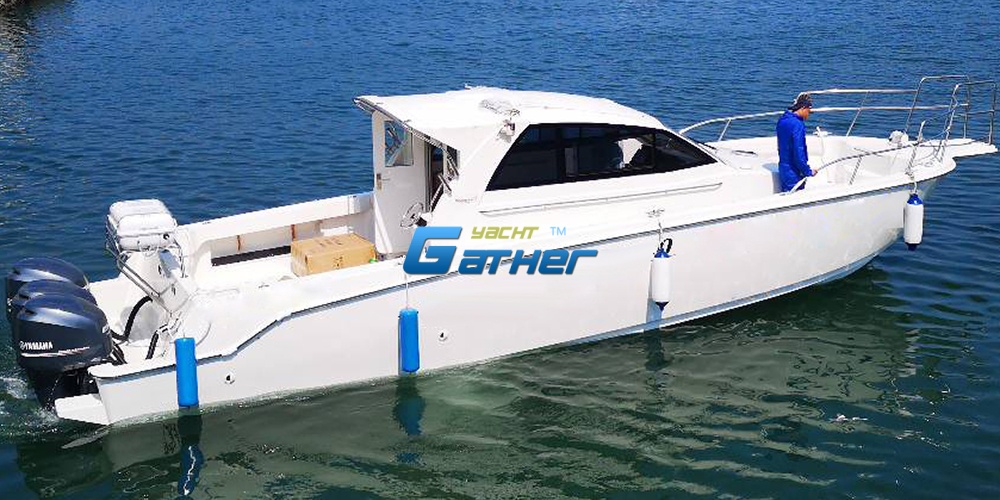
Marine-grade aluminum offers distinct metallurgical benefits. Heavy-gauge welded aluminum hulls absorb kinetic energy from submerged logs, rocks, and sandbars without catastrophic structural failure. The metal yields and dents under severe impact, whereas rigid materials might crack or shatter. This structural forgiveness makes aluminum the premier choice for hazardous, debris-filled waterways where bottom contact is inevitable. Manufacturers typically use 5052 or 5086 aluminum alloys, which provide excellent tensile strength and corrosion resistance. Extruded chines and heavy-duty keel guards further reinforce the hull against abrasion when beaching on gravel or concrete ramps.
A lighter hull transforms operational logistics. Solo launching and retrieving become significantly easier when managing less mass on the ramp. Lighter vessels require lower horsepower to achieve plane, directly reducing fuel consumption on the water. The reduced towing weight also improves highway fuel efficiency and reduces wear on your tow vehicle's transmission and braking systems. When navigating steep or unimproved boat ramps, a lighter aluminum rig reduces the risk of losing traction and sliding backward into the water.
Physical drawbacks accompany a lighter draft. An aluminum hull is highly susceptible to wind drift. When precision trolling along a weed line, sudden gusts can easily blow a lightweight vessel off course. Furthermore, rigid, less complex hull shapes transfer wave impact directly to the deck. Instead of cutting through the chop, lighter hulls tend to bounce over waves, resulting in a harsher ride and increased operator fatigue in rough conditions. The flat or modified-V bottoms common on aluminum vessels simply cannot slice through heavy swells with the same efficiency as a deep-V design.
Aluminum hulls dominate specific operational theaters. They are the optimal choice for river fishing, shallow inland lakes, and utility transport. Beginner boaters also benefit from the forgiving nature of aluminum, as minor dock impacts and shallow scraping result in cosmetic blemishes rather than structural emergencies. Anglers who frequently fish timber-filled reservoirs or rocky northern lakes rely on aluminum to withstand the constant abrasion and blunt-force impacts inherent to those environments.
The manufacturing process of a fiberglass boat allows for unparalleled hydrodynamic design. Molded fiberglass enables variable deadrise angles, complex strakes, and reverse chines that are physically impossible to replicate in welded aluminum. These intricate shapes dictate how water flows under the hull, translating to superior high-speed handling, rapid hole shots, and precise cornering without blowing out the prop. A well-designed pad hull lifts the vessel out of the water at high speeds, reducing drag and maximizing outboard efficiency.
Mass and hull design dictate ride quality. The heavier weight of a molded hull allows it to crush waves rather than bounce over them. A sharp entry angle at the bow slices through the chop, while the mass of the vessel dampens the kinetic energy transfer. This combination significantly reduces operator fatigue, allowing anglers to navigate large bodies of water comfortably during adverse weather conditions. The deep-V designs common in offshore fiberglass vessels provide a soft reentry when launching off large swells.
Owning a molded hull requires realistic maintenance expectations. Gelcoat demands regular waxing and UV protection to prevent severe oxidation and chalking. Spider-cracking can occur around high-stress areas like cleats and transoms. Additionally, improper in-water storage carries the long-term risk of hull blistering, commonly known as osmosis. Diligent upkeep is mandatory to preserve the structural integrity and aesthetic appeal of the vessel. Applying a high-quality barrier coat and marine anti-fouling paint is necessary if you plan to leave the vessel moored in the water for extended periods.
Molded hulls excel in demanding environments. They are the industry standard for tournament bass fishing, large open-water lakes, and coastal bays. When platform stability and rough-water capability are paramount, the heavy, complex hull designs provide the necessary performance to keep anglers safe and competitive. Offshore anglers rely exclusively on fiberglass to handle the unpredictable and violent nature of open-ocean swells.
Comparing materials across environments reveals distinct operational boundaries. Aluminum is highly capable inland, navigating rivers and shallow reservoirs with ease. However, scaling up to offshore environments heavily favors molded composite hulls. A heavy-duty 40FT Fiberglass Fishing Boat represents the standard for deep-sea stability. The massive displacement, complex deep-V design, and integrated stringer systems provide the necessary safety and deck space required for offshore expeditions. Aluminum vessels of this size exist, but they are typically custom-built commercial craft rather than recreational fishing platforms.
Interior finishing contrasts sharply between the two materials. Molded construction allows for integrated storage compartments, insulated dry boxes, and wider, flush casting decks. These decks remain rock-stable even when multiple anglers stand on the gunwales. Aluminum layouts tend to be more modular, narrow, and utilitarian, prioritizing open floor space over integrated, flush-mounted storage solutions. Fiberglass allows manufacturers to mold livewells directly into the deck, eliminating the need for external plumbing and maximizing usable space.
| Feature | Aluminum Hull | Fiberglass Hull |
|---|---|---|
| Impact Resistance | High (Dents, rarely punctures) | Low (Chips, cracks, shatters) |
| Draft | Shallow | Deep |
| Wind Drift | High Susceptibility | Low Susceptibility |
| Deck Integration | Modular, Utilitarian | Molded, Flush, Complex |
Wind affects boat control dramatically. A heavy composite hull stays pinned to its line in high winds. The deeper draft and heavier mass resist lateral movement, allowing the trolling motor to pull the vessel efficiently along a contour. A lightweight metal hull blows off course easily, putting excessive strain on trolling motor batteries and requiring constant directional correction from the operator. Upgrading to a 36-volt trolling motor system is often necessary on aluminum vessels to combat heavy crosswinds.
Market depreciation varies by material. A well-maintained composite vessel retains its premium aesthetic appeal and resale value for decades. The glossy finish and integrated features remain highly desirable on the secondary market. Metal hulls may show dents, scratches, and surface oxidation over time. While they remain structurally sound, the utilitarian appearance often leads to a different depreciation curve compared to premium molded vessels. Modern composite transoms have eliminated the wood-rot issues that plagued older fiberglass models, further extending their structural lifespan.
Selecting a reliable dealer mitigates post-purchase headaches. Focus on warranty support, certified mechanic availability, and transparency in rigging. Ensure the dealer provides clear documentation on electronics installation, outboard setup, and delivery logistics. A trustworthy supplier will facilitate comprehensive sea trials, allowing you to verify hull performance under real-world conditions. You should also verify the dealer's pre-delivery inspection (PDI) process to ensure all pumps, livewells, and electrical systems function correctly before you take delivery.
Evaluating a used fishing boat requires specific technical checks based on the hull material. You must identify structural red flags before committing to a purchase. A thorough inspection prevents you from inheriting someone else's deferred maintenance.
For Aluminum: Inspect all visible welds for hairline fractures. Check for galvanic corrosion around through-hull fittings. Verify rivet integrity by looking for missing or weeping rivets. Examine the transom for structural flex or wood rot in older models.
For Fiberglass: Check the transom and stringers for moisture intrusion using a professional moisture meter. Inspect the hull bottom for deep gelcoat gouges that expose the underlying glass. Assess the level of UV-induced oxidation and look for signs of delamination around stress points. Tap the hull with a phenolic hammer to listen for dull thuds indicating core rot.
There is no universal best material. The superior choice is strictly defined by your geographic location, target species, and towing constraints. Aluminum provides unmatched durability in hazardous shallows and eases towing logistics. A fiberglass fishing boat delivers superior ride comfort, tournament-grade casting stability, and high-speed performance in rough water.
Calculate your vehicle's exact towing capacity, factoring in the weight of a fully loaded trailer, fuel, and gear.
Define your primary body of water and realistically assess the frequency of shallow-water hazards versus open-water chop.
Schedule sea trials with local dealers to experience the ride differences and wind drift characteristics firsthand.
Inspect the storage layouts of both hull types to ensure they accommodate your specific tackle and rod length requirements.
A: Fiberglass requires more expensive and frequent maintenance. You must regularly compound, polish, and wax the gelcoat to prevent oxidation. Repairing deep scratches involves grinding, resin application, and color-matching gelcoat. Aluminum requires minimal upkeep, usually just basic washing and occasional acid washing to remove waterline stains.
A: Yes. The heavier weight and complex variable-deadrise angles of a molded hull allow it to cut through waves efficiently. This wave-crushing capability significantly reduces impact harshness and operator fatigue compared to lighter metal hulls that tend to bounce over the chop.
A: Repairing marine-grade aluminum requires specialized TIG welding skills and equipment. While minor leaks can sometimes be temporarily patched with marine sealants, permanent structural repairs demand professional fabrication to ensure the hull's integrity remains uncompromised.
A: Both materials offer decades of structural lifespan when subjected to proper maintenance. Molded hulls require diligent gelcoat care to prevent oxidation and moisture intrusion, while metal hulls resist degradation but may suffer from galvanic corrosion if sacrificial anodes are neglected.
A: Yes, it is generally more forgiving for beginners. The lighter weight simplifies towing and ramp launching. Additionally, the metal structure absorbs low-speed dock impacts and shallow-water scraping with minimal cosmetic damage, reducing the stress of learning boat control.
A: The heavier dry weight of a molded hull typically pushes towing requirements from mid-size SUVs to half-ton or three-quarter-ton trucks. You must factor in the combined weight of the hull, outboard, trailer, full fuel tanks, and all onboard gear when selecting a tow vehicle.


