
- All
- Product Name
- Product Keyword
- Product Model
- Product Summary
- Product Description
- Multi Field Search
Views: 0 Author: Site Editor Publish Time: 2026-05-04 Origin: Site


Choosing between a fiberglass boat vs aluminum boat can be challenging. If you want a strong boat for rough water, aluminum is the way to go. Aluminum boats are also easy to maintain. On the other hand, if comfort or a smooth ride is your priority, fiberglass is the better option. Fiberglass boats offer the advantage of customization, allowing you to change how your boat looks. Consider what is most important to you, including your budget, where you will use the boat, and your intended activities. Additionally, decide if you need the boat for work or just for leisure.
Aluminum boats do not weigh much and are easy to pull. This makes them good for people new to boating or who want to save money. Fiberglass boats give a smoother ride and can be changed in many ways. They are great for people who want comfort and style. Both types of boats can last more than 30 years if you take care of them. But, they need different kinds of care. Think about how you will use your boat. Aluminum boats work best in shallow water. Fiberglass boats do better when the water is rough. Look at your budget before you buy. Aluminum boats usually cost less at first and are cheaper to take care of later.
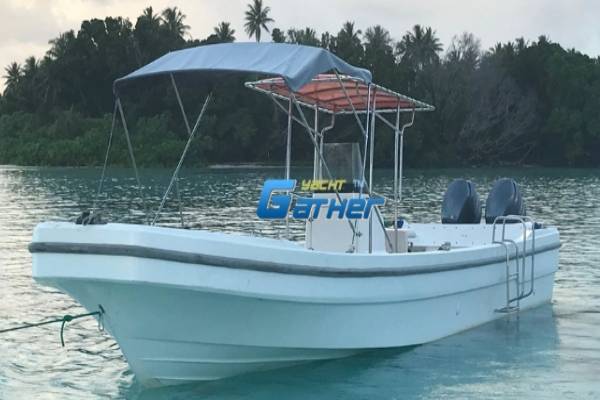
When you compare fiberglass boat vs aluminum, you will see some clear differences. Each type is good for different things. If you want a boat that is easy to move, aluminum is easier than fiberglass. Aluminum boats are lighter, so small cars can pull them. Fiberglass boats are heavier, but they feel steadier on the water.
Here are the main differences you should know:
Weight: Aluminum boats are much lighter than fiberglass boats. This makes them simple to move and launch at the ramp.
Cost: Aluminum boats usually cost less than fiberglass boats. Fiberglass boats cost more, but they look nicer and feel more comfortable.
Durability: Both types are strong, but they handle damage in different ways. Aluminum boats can get dents if you hit something, but they do not crack easily. Fiberglass boats do not dent or rust, and they last a long time if you take care of them.
Maintenance: You will spend less time cleaning an aluminum boat. Fiberglass boats need more care, like waxing, to keep them looking nice.
Performance: Fiberglass boats ride smoother and handle waves better. Aluminum boats are great for shallow water and rough trips.
Customization: If you want your boat to look special, fiberglass gives you more choices for color and shape.
Commercial Use & Certifications: Both types work for business use. Many fiberglass and aluminum boats meet strict safety rules.
Tip: Think about where you will use your boat. Decide what matters most—easy moving, low price, or a smooth ride.
Here is a quick side-by-side look at fiberglass boat vs aluminum features:
Feature | Aluminum Boats | Fiberglass Boats |
|---|---|---|
Weight | Light, easy to launch | Heavy, steady on water |
Cost | Cheaper to buy and keep up | Costs more to buy and care for |
Durability | Strong, can get dents | Very strong, does not rust |
Maintenance | Easy, just simple cleaning | Needs waxing and more care |
Performance | Good for shallow or rough water | Smooth ride, handles waves well |
Customization | Not many choices | Many choices for color and design |
Commercial Use | Used a lot, meets safety rules | Popular for tours, meets safety rules |
When you look at aluminum vs fiberglass, you can see both are good for different reasons. Your choice depends on what you want from your boat.
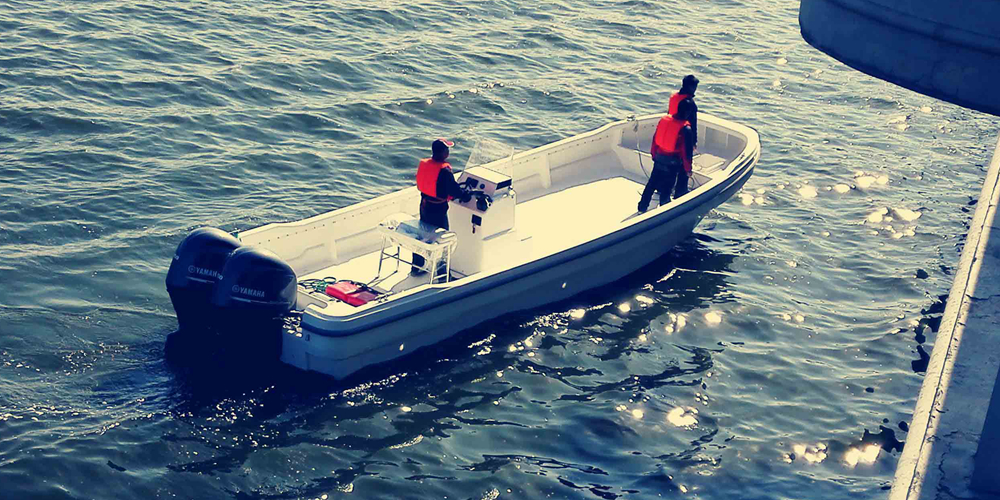
When you look at fiberglass boats, you see strong and solid construction. These boats can last for decades if you take care of them. The outer layer, called gelcoat, protects the boat from sun and water. You need to keep this layer in good shape, but it does a great job stopping cracks and fading. Fiberglass does not rust, so you do not have to worry about corrosion. Many fiberglass boats meet strict international standards, like EU CE safety certification, which means they pass tough tests for strength and safety. You can trust a fiberglass boat to handle waves and bumps without trouble.
Aluminum boats are famous for being tough and light. You can bump into rocks or docks, and the boat might get a dent, but it will not crack. Aluminum does not rust, so you do not need to worry about saltwater eating away at your boat. These boats also meet international rules for marine materials, so you know they are built to last. If you want a boat for rough trips or shallow water, aluminum is a smart choice. You get peace of mind because these boats can take a lot of action.
Tip: Both fiberglass and aluminum boats can last over 30 years with proper care. That is a long time for fun on the water!
Here is a quick look at how long each type can last:
Material | Average Lifespan | Maintenance Considerations |
|---|---|---|
Fiberglass | 30+ years | Requires gelcoat maintenance |
Aluminum | 30+ years | No osmosis risk |
You want a boat that is easy to care for. Aluminum boats need simple cleaning and do not need waxing. You just rinse them off and check for dents. Fiberglass boats need a bit more attention. You should wash them and sometimes wax the gelcoat to keep them shiny. If you see scratches, you can fix them with special products. Both types are easy to repair, but you will spend less time on aluminum. No matter which you choose, regular checks keep your boat safe and ready for your next adventure.
When you look at the price tag, aluminum boats usually cost less than fiberglass boats. You can find many aluminum models that fit a tight budget. These boats are lighter, so you do not need a big truck to tow them. That can save you money, too. Fiberglass boats often come with more features and a smoother finish. You pay more for these extras. If you want a boat for fishing or short trips, aluminum makes sense for your wallet. If you want a boat for comfort or family outings, you might choose fiberglass and pay a bit more.
You might wonder how much your boat will be worth in a few years. Aluminum boats hold their value well. They do not rust, and small dents do not scare buyers away. Premium aluminum boats often keep their value better than fiberglass boats. Fiberglass boats can look great for years, but you may need to spend more to keep them shiny. Buyers like a boat that looks new. If you take care of your fiberglass boat, you can still get a good price when you sell.
Boat Type | Typical Resale Value | What Helps Value Last? |
|---|---|---|
Aluminum Boats | High | Durability, low rust risk |
Fiberglass Boats | Good | Looks, regular maintenance |
You want to know how much you will spend over time. Aluminum boats need less cosmetic care. You just rinse them off and check for dents. If you need a repair, small fixes are simple. Welding for big repairs can cost more, but it does not happen often. Fiberglass boats need more attention to the gelcoat. Small repairs are easy with kits, but big cracks or damage can cost more to fix. Over ten years, you may spend less on aluminum boats because they do not need as much work to look good.
Small fiberglass repairs are cheap, but big ones can get expensive.
Aluminum repairs are simple unless you need welding.
Aluminum boats need less cosmetic work, especially if you leave the hull unpainted.
Fiberglass boats need more care to keep the gelcoat looking fresh.
Over time, aluminum boats keep their value because they stay tough and need less work.
Tip: If you want to save money in the long run, aluminum boats are a smart pick for low maintenance and strong resale value.
You want your time on the water to feel good. Fiberglass boats give you a smoother ride because they are heavier. The extra weight helps the boat stay steady, even when waves get choppy. You will notice less bouncing and shaking. Aluminum boats feel lighter and can move faster, but you might feel more bumps when the water gets rough. Many people say aluminum boats have more comfortable and spacious interiors, which is great if you bring family or friends. Here’s a quick look at how comfort compares:
Feature | Fiberglass Boats | Aluminum Boats |
|---|---|---|
Weight | Heavier, smoother ride | Lighter, higher speeds |
Ride Comfort | Smoother ride, less bouncing | Can feel bumps in choppy water |
Interior Features | Stylish, focus on looks | More plush and roomy |
Onboard Capacity | Lower due to weight | Higher, easier to bring more people |
Tip: If you want stability and a smoother ride, fiberglass is a great choice. If you want more space and comfort inside, check out aluminum.
Speed matters when you want to get to your favorite spot fast. Aluminum boats are lighter, so they need less power to move. This means you use less fuel and save money over time. Fiberglass boats are heavier, so they use more fuel, but they can still go fast with a strong engine. If you plan to use your boat for fishing, watersports, or commercial trips, think about how much you want to spend on gas. Here’s a simple table to compare:
Factor | Aluminum Boats | Fiberglass Boats |
|---|---|---|
Fuel Efficiency | Usually better | Usually lower |
You will notice that aluminum boats give you better fuel efficiency, which is helpful for long days on the water.
You might wonder how each boat handles different water types. Fiberglass boats shine in rough water. Their strong build and weight help them cut through waves and stay steady. Many experts test fiberglass boats in tough places like New England, where the water gets wild. Aluminum boats also do well, especially in shallow or calm water. Some brands test their aluminum boats in extreme weather, so you know they can handle a lot. If you want a boat for saltwater, both types work well, but fiberglass gives you extra confidence in rough conditions.
Note: For watersports and tours, fiberglass boats offer top performance and stability. Aluminum boats are perfect for fishing, hunting, and trips where you need to move fast and carry more people.
If you love fishing or hunting, you want a boat that fits your style. Aluminum boats work great for shallow lakes and rivers. You can move them easily and get to your favorite fishing spot fast. Many people like aluminum because it handles bumps and scrapes without worry. Fiberglass boats shine on bigger lakes or the ocean. You get a smoother and quieter ride, which helps when you want to sneak up on fish. Some anglers say fiberglass boats feel more stable when you cast your line.
Here’s what real users say about both types:
User Experience | Boat Type | Key Points |
|---|---|---|
User 1 | Aluminum | Lighter, faster, but rough ride in big waves. |
User 2 | Fiberglass | Better ride quality on larger bodies of water. |
User 3 | Aluminum | Durable, can withstand impacts without damage. |
User 4 | Fiberglass | Smoother and quieter ride, great for big lakes. |
User 5 | Fiberglass | Fast and stable, but can be rough in big waves. |
Tip: If you fish in small lakes or rivers, aluminum is a smart pick. For big water and a smooth ride, fiberglass stands out.
Do you want to have fun with family or friends? Fiberglass boats offer comfort and style for water skiing, wakeboarding, or just cruising. You get more choices for color and design, so your boat can match your personality. These boats handle waves well, making them perfect for watersports. Aluminum boats also work for recreation, especially if you want to explore new places or need a boat that’s easy to tow. You can use either type for a day of fishing, swimming, or relaxing on the water.
Running tours, rescue missions, or group trips? You need a boat that meets safety rules and fits your business. Many companies choose fiberglass boats for passenger tours, water taxis, or fishing charters. These boats can be built to your needs, from seating to power systems. Aluminum boats are popular for workboats and transport, thanks to their strength and easy care. If you want something special, you can ask for OEM or ODM services. This means you help design your boat, so it works just right for your job.
Note: Both fiberglass and aluminum boats can be customized for commercial use. You get to pick the features that matter most for your business.
When you look at fiberglass boats and aluminum boats, it helps to see what is good and bad about each one. This way, you can know the benefits and problems before you pick a boat.
Fiberglass boats are known for their smooth rides and nice looks. You can pick from many colors and designs. Many people like that they are simple to clean. The good and bad parts are easy to see when you check the details.
Here’s a table that shows the main good and bad things:
Advantages of Fiberglass Boats | Disadvantages of Fiberglass Boats |
|---|---|
Easily molded into various shapes | More prone to repairs due to brittleness |
Easy to clean and maintain | Generally more expensive than aluminum |
Greater stability on the water | Heavier than aluminum, affecting capacity |
Allows for more intuitive designs |
You can see that fiberglass boats are easy to clean and steady on the water. They also give you lots of choices for how your boat looks. The bad parts are that they cost more and weigh more.
Aluminum boats have their own good and bad points. You will find many good things if you want a strong boat that is easy to move. Here are the main things to know:
Newer building methods make them better.
Lifetime hull warranty means they last a long time.
Strong boats use less fuel.
They do not break easily if you hit something.
They are light, so you can tow them easily.
You do not need to do much work to keep them nice.
They usually cost less to buy and fix.
But there are some bad things too:
The ride can be loud on the water.
Aluminum gets hot in the sun.
You do not get as many choices for how your boat looks.
When you think about the good and bad things, you see that aluminum boats are great for people who want a tough boat that is easy to care for. Fiberglass boats are better if you want comfort and style. Think about what is most important to you. The good and bad points will help you choose the right boat.
If you are new to boating, you want something simple. Aluminum fishing boats are a good choice for beginners. You can clean them fast and do not need to wax them. These boats are light, so you can launch them easily. Aluminum fishing boats work in both saltwater and freshwater. You will spend more time learning and less time fixing your boat.
Here is a table that shows why aluminum fishing boats are good for beginners:
Feature | Aluminum | Fiberglass |
|---|---|---|
Maintenance | Low; simple cleaning and inspection | Needs waxing, buffing, and more care |
Handling | Easy to launch and tow | Heavier, needs more power |
Aluminum fishing boats need less work to keep nice.
Fiberglass boats need regular waxing and buffing.
If you want to start boating without worry, pick aluminum fishing boats. You will have a light boat that is easy to move and care for.
If you know a lot about boating, you may want more comfort or style. Fiberglass boats give you a smooth ride, even in saltwater. You can change how your boat looks and add features. Fiberglass boats handle waves well if you like rough water. You can pick a boat with special hull shapes and extra features. Fiberglass boats feel steady and do not bounce much in choppy water.
Experienced boaters often want:
Smooth rides in saltwater and rough water
Choices for design and features
Better tracking and stability in following seas
You can enjoy boating with a fiberglass boat that fits your needs. You get a boat ready for saltwater trips and it looks great on the water.
If you want to save money, look at price and upkeep. Aluminum fishing boats usually cost less. You can buy a light boat that is easy to tow and does not need much care. You will spend less on repairs and cleaning. Fiberglass boats cost more and need more care, but they give you more comfort and style.
Here is a table to help you compare:
Feature | Aluminum Boats | Fiberglass Boats |
|---|---|---|
Cost | Usually lower | Often higher |
Maintenance | Easier to keep up | More complex maintenance |
Weight | Lighter, easier to tow | Heavier, needs more power |
Handling | Easier to handle at the dock | More challenging |
Size Suitability | Best for smaller boats | Better for bigger boats |
If you want a light boat that saves you money, pick aluminum fishing boats. You will get more time on the water and less time worrying about care.
If you run a business on the water, you need a boat that fits your job. You might run tours, fishing trips, or water taxis. The best boat depends on what you need. Fiberglass boats let you change the design. You can work with the maker to build a boat for your business. You get a smooth ride in saltwater, which keeps people comfortable. Fiberglass boats cut through waves and track well in following seas. You can add things like more seats or special hull shapes to save fuel.
Here is a table for commercial boat needs:
Factor | Aluminum Boats | Fiberglass Boats |
|---|---|---|
Wave-Handling Performance | Rides over waves, more slapping | Cuts through waves, smoother ride |
Head Seas | More pounding in steep chop | Less up and down, more comfort |
Following Seas | May slide off course, less steady | Better tracking and stability |
Beam Seas | Wider beams help reduce rolling | Great roll resistance from heavier hulls |
Ride Dryness | Can throw spray, wetter ride | Drier ride from special hull shapes |
Innovation | New methods improve performance | Hull changes keep making boats better |
You can also get OEM and ODM options with fiberglass boats. You work with the maker to build a boat for your business. Fiberglass lets you pick special hull shapes and features. Saltwater performance and custom choices make fiberglass boats popular for business.
If you want a boat for work, fiberglass gives you more choices and a smoother ride in saltwater. You can design a boat for your business and keep people happy.
You can see that the best boat depends on your skill, budget, and how you use it. Aluminum fishing boats are light and easy to care for. Fiberglass boats give you comfort, custom options, and top performance in saltwater. You will find the right boat by thinking about what matters most.
You now know the main ways fiberglass and aluminum boats are different. If you want a boat that looks cool and rides smooth, pick fiberglass. Fiberglass is great for watersports and saltwater. If you want a tough boat that is easy to tow and costs less, choose aluminum. Aluminum boats are good for rough trips. Before you buy, look at the hull, engine, and inside of each boat. Here is a simple checklist:
Step | What to Look For |
|---|---|
Hull & Exterior | Look for cracks, blisters, rust, or old repairs |
Engine & Mechanical | Check engine hours, service records, oil, and propeller damage |
Interior & Electronics | See if seats, floors, and controls work right |
Think about what is most important to you. Do you want a boat made just for you? Boat makers can help you design one that fits your needs. Not sure which boat to pick? Try both types or read more guides like Aluminum vs. Fiberglass Boats. There is not one perfect answer, but this guide should help you choose!
Both can last over 30 years if you take care of them. You need to clean and check your boat often. Fiberglass does not rust. Aluminum does not crack easily. Pick the one that fits your needs best.
Yes, you can use both in saltwater. Rinse your boat with fresh water after each trip. This helps stop damage. Fiberglass handles saltwater well. Aluminum boats need a special coating for extra protection.
You want an aluminum boat for shallow lakes and rivers. It is light and easy to move. Fiberglass boats work great on big lakes and the ocean. They give you a smooth, quiet ride.
Small scratches on fiberglass are easy to fix with repair kits. Big cracks need a pro. Aluminum boats handle dents well. You can fix most dents yourself.
Yes! Fiberglass boats offer more choices for color and design. You can work with the builder to add features. Aluminum boats have fewer options, but you can still add gear and seats.
In short,generally speaking—excluding custom-made items—provided that molds already exist for fiberglass vessels, if the design is identical, the aluminum alloy version will be the more expensive option. Of course, if both are custom-built, the fiberglass version will undoubtedly be the costlier choice, given that the mold-making costs are prohibitively high.


